Care Home Days Feel Better With These Simple Activities
November 24, 2026 · By Mill View Memory Care Team
Things to Do at an Old Folks' Home That Fit Each Person
Good things to do at an old folks' home include music, painting, simple games, gardening, gentle movement, and looking through family photos. A resident might enjoy a group sing-along one day and a quiet, one-to-one activity the next.
Start with what the person likes, then match the activity to their mobility, memory, and energy that day. Familiar, low-pressure activities can make it easier to join in and spend time with others.
Meaningful routines bring structure, comfort, and joy to daily life. Rather than filling every hour on the clock with busywork, great care environments emphasize personal choice and genuine social connection.
Things to Do at an Old Folks’ Home for Every Ability
Every person brings a lifetime of memories, preferences, and talents into a care setting. An inclusive approach ensures that no one is left on the sidelines simply because of physical limitations or cognitive changes. By offering both vibrant group gatherings and peaceful one-to-one options, caregivers can meet seniors exactly where they are on any given day. Exploring a range of elder care activities helps families discover how diverse pastimes can spark joy and foster community.
Things to Do at an Old Folks’ Home for Seniors With Limited Mobility
Limited physical mobility should never mean a limited life. Many of the most rewarding pursuits take place comfortably seated around a table or in an armchair:
- Chair Exercises and Gentle Movement: Seated stretching, chair yoga, or waving light scarves to rhythmic music help maintain joint flexibility without overexertion.
- Seated Gardening & Flower Arranging: Working with fragrant blossoms, potting indoor herbs, or tending to small succulents at a tabletop brings the outdoors inside.
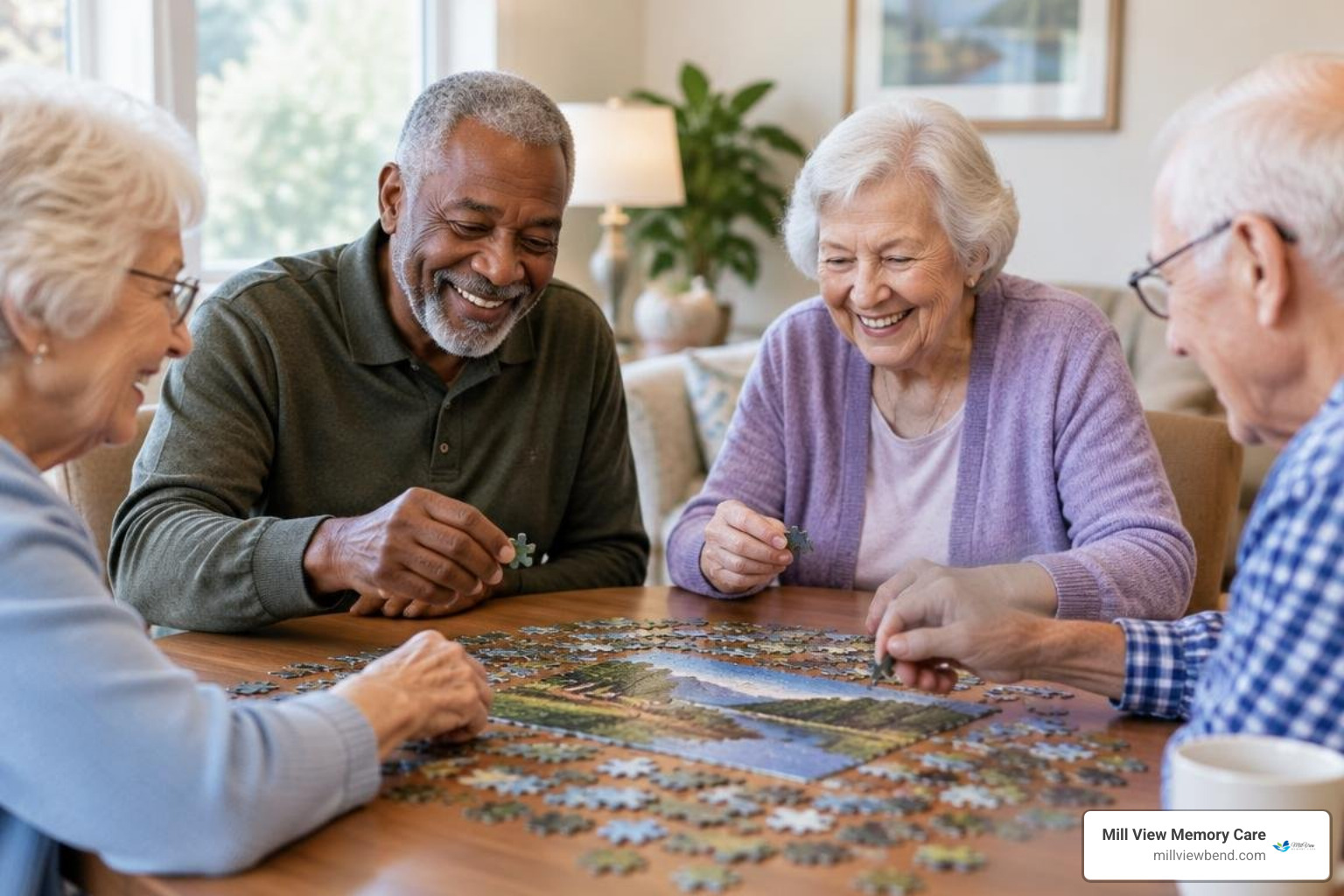
- Tabletop Games & Puzzles: Large-print crossword puzzles, large-piece jigsaw boards, dominoes, and card holders allow everyone to participate without struggling to grasp small pieces.
- Gentle Target Games: A soft beanbag toss into a decorated basket or balloon volleyball keeps reflexes sharp and prompts lots of laughter.
- Audiobooks & Music: Listening to classic radio broadcasts, captivating stories, or recorded concerts offers rich mental stimulation without requiring physical strain.
Things to Do at an Old Folks’ Home for Different Cognitive Abilities
Cognitive changes call for activities that emphasize comfort, familiarity, and dignity:
- Simple Choices: Instead of asking an open-ended question like "What do you want to do?", offer two clear choices: "Would you like to listen to jazz or look at bird photos?"
- One-Step Directions: Break enjoyable projects into manageable parts. If you are decorating cookies, focus on spreading frosting first before adding sprinkles.
- Reading Aloud & Short Stories: Sharing poetry, uplifting local news, or timeless fables engages the imagination without demanding long attention spans.
- Reminiscence & Life Stories: Looking through vintage magazines, family photo albums, or a personalized memory box sparks long-term memories and meaningful conversations.
- Purposeful Everyday Tasks: Sorting polished coins, folding warm towels, or matching colorful socks allows seniors to feel helpful and valued within their daily environment.
Creative, Social, and Purposeful Activities to Try
Creativity and shared fun bring life into any community. Here are some rewarding ideas to incorporate into the week:
- Expressive Arts & Crafts: Watercolor painting, seasonal card making, clay modeling, and scrapbooking allow residents to make gifts for family members.
- Kitchen Nostalgia: Simple culinary tasks like mixing batter, decorating holiday treats, or snapping green beans connect seniors with cherished kitchen routines.
- Music & Sing-Alongs: Singing classic tunes from youth acts as a bridge to fond memories, often inspiring impromptu foot-tapping and humming.
- Film Nights & Book Groups: Gathering with popcorn for classic musicals, comedy favorites, or poetry readings creates a cozy, shared tradition.
- Lifelong Learning: Engaging guest speakers, nature presentations, or travel documentaries satisfy curiosity about the wider world.
- Animal Visits: Interacting with gentle therapy animals offers unconditional affection, lowers stress, and brings smiles. Discover the mood-boosting benefits of pet therapy in specialized care settings.
- Community Celebrations: Holiday parties, musical performances, and intergenerational visits can all be explored through ongoing community events.
Adapt Activities for Dementia, Alzheimer’s, and Changing Needs
Living with memory loss requires a thoughtful, person-centered approach. When planning activities for individuals with dementia, the golden rule is always process over results. It does not matter if a craft is finished or if a puzzle is solved correctly—what truly matters is that the person feels secure, engaged, and calm.
To adapt pastimes successfully:
- Connect to Past Identity: A former teacher may love organizing books, while a retired gardener finds peace running their fingers through potting soil.
- Keep Sessions Short: A focused, enjoyable 10-to-15-minute interaction is far more beneficial than an hour-long session that causes restlessness.
- Minimize Distractions: Turn off background televisions and loud appliances so the senior can focus without sensory overload.
- Offer Continuous Gentle Supervision: Keep safety top of mind by handling sharp tools, hot liquids, or small choking hazards yourself.
For seniors in late-stage dementia, shift focus toward direct sensory comfort. Soothing music from their early adulthood, gentle hand massages with lavender lotion, textured fabric blankets, and the soft sounds of ocean waves provide deep emotional comfort. Caregivers can consult national resources like Dementia activity guidance and practical toolkits like At-home activity ideas to tailor daily engagements.
When specialized environments are needed, dedicated memory care support ensures that every moment of the day is guided by compassionate, highly trained professionals.
Make Activities Safe, Enjoyable, and Easy to Repeat
A successful activity program balances safety with spontaneous fun. Simple environmental adjustments protect well-being while keeping engagement effortless:
- Prioritize Stability and Lighting: Set up activities in well-lit rooms using sturdy chairs with armrests. Keep walking pathways clear of clutter to minimize fall risks.
- Stay Hydrated: Keep refreshing water, herbal tea, or fruit slices nearby, especially during gentle movement sessions.
- Listen to Physical Cues: Stop immediately if an individual shows signs of dizziness, joint pain, or shortness of breath.
- Respect Personal Preferences: If a senior declines an invitation, honor their choice with warmth. Try offering a different, quieter option later.
- Engage Family Members: Encourage visitors to bring recent family photos, record life stories, or connect via video calls with out-of-town grandchildren.
According to health research, regular physical and social engagement serves as a protective factor against noncommunicable illnesses while combating the harmful health impacts of loneliness. Regular, pleasant engagement supports better sleep, brightens mood, and keeps minds active.
Create a Flexible Weekly Activity Schedule
A well-rounded weekly routine provides a comforting rhythm without feeling rigid. Combining social interaction, light movement, quiet reflection, and creative expression gives residents something to look forward to each morning.
Day Morning (Mind & Body) Afternoon (Creative & Social) Evening (Relaxation)
Monday Gentle chair stretching & music Watercolor painting & herbal tea Classic comedy movie night
Tuesday Tabletop gardening / herb potting Sing-along with golden oldies Calming hand massage & stories
Wednesday Seated balloon toss & mobility games Reminiscence circle & photo albums Soothing nature documentary
Thursday Creative card making for family Baking simple cookies or treats Listening to classic audiobooks
Friday Interactive trivia & brain games Live acoustic music or choir visit Group board games & puzzles
Saturday Patio sunshine & bird watching Intergenerational family visits Favorite recorded concert
Sunday Inspirational music & reflection Quiet book reading / puzzle time Restful aromatherapy session
Social mealtimes also serve as natural community anchors. Gathering for fresh, chef-prepared meals in a social restaurant-style dining room turns daily dining into an engaging, dignified event.
Frequently Asked Questions About Activities in Care Homes
What Are Some Free or Low-Cost Activities for Seniors?
You do not need specialized equipment to create meaningful moments. Looking through old family photo albums, singing favorite childhood songs, borrowing large-print books from the public library, watching birds at a windowsill feeder, and folding fresh laundry together are all wonderfully engaging and completely free.
How Can Caregivers Encourage a Senior to Join an Activity?
Avoid overwhelming questions or high-pressure invitations. Instead, offer two simple choices, connect the activity to their past interests ("Could you help me pick the prettiest flowers for this vase?"), and sit down to participate alongside them. If they decline, remain positive and try again at a different time of day.
How Often Should Seniors Take Part in Activities?
Quality matters much more than quantity. Two to three short, pleasant sessions of 15 to 20 minutes each day provide ample stimulation without causing fatigue. Always remain flexible and adjust the schedule based on the person's daily energy levels and health needs.
Conclusion
Every senior deserves days filled with purpose, laughter, and warm companionship. When we focus on personal preferences, adapt to individual abilities, and celebrate small victories, simple everyday activities become deep sources of connection.
At Mill View Memory Care in Bend, Oregon, our boutique community is dedicated to providing compassionate, 24/7 person-centered care. From pet therapy and creative arts to chef-prepared meals, we create vibrant days tailored to every resident. We invite you to explore person-centered memory care in Bend and discover how our community helps loved ones thrive.
Ready to speak with someone?
Our team will be happy to help you explore whether Mill View is the right fit for your family.