
The Complete Guide to Engaging Elder Care Activities
November 20, 2026 · By Mill View Memory Care Team
Elder Care Activities That Bring Meaning to Each Day
The best elder care activities match a person's interests and current abilities. Try a short walk, familiar music, a simple card game, gardening, or folding towels together. For someone with dementia, offer one step at a time and focus on enjoyment, not getting the task right.
A good routine makes room for movement, creativity, and time with other people. It can be as simple as singing with family or helping set the table. This guide will help you choose activities that feel meaningful while keeping comfort and safety in mind.
The Holistic Benefits of Active Living and Purposeful Engagement for Seniors
Engaging in regular physical, social, and mental pursuits does far more than pass the hours. It serves as a cornerstone of preventive healthcare and emotional wellness. According to healthy aging research on active lifestyles, seniors who participate in regular hobbies and social connections lower their risk of developing chronic health problems, including dementia, heart disease, stroke, and certain cancers.
Physical wellness and cardiovascular health are directly tied to regular movement, which improves blood circulation, builds core stability, and decreases the risk of falls. Mentally, diverse cognitive activities act as neuroprotective exercises. Studies demonstrate that engaging in varied activities that stimulate the brain and body provides compounding benefits for memory retention.
Equally vital is the psychological boost that purposeful engagement offers. Life satisfaction, happiness, and a strong sense of purpose are empirically linked to longer lifespans. Participating in meaningful routines helps older adults process major life transitions, alleviates depressive symptoms, and builds emotional resilience. At Mill View Memory Care, our care services incorporate therapeutic programming into everyday routines to support both physical vitality and mental peace.
Core Categories of Elder Care Activities for Mind, Body, and Spirit
To maintain balance, a well-rounded activity routine should engage the body, stimulate the mind, foster creativity, and nurture social connections.
Physical Movement, Gentle Fitness, and Nature Recreation
Movement programs should emphasize flexibility, strength, and balance while adapting to individual mobility levels:
- Seated Yoga and Stretching: Gentle chair yoga relieves joint stiffness from arthritis, increases range of motion, and promotes relaxation through guided deep breathing.
- Tai Chi and Low-Impact Walking: Tai chi encourages smooth, deliberate weight shifts that reinforce balance and reduce fall risks. Flat outdoor walks in local parks or secure garden courtyards provide fresh air and light aerobic conditioning.
- Water Aerobics: Buoyant water exercises allow seniors to build muscle tone and cardiovascular endurance without putting stress on sensitive joints.
- Light Resistance Training: Using resistance bands or light household items (like filled water bottles) helps maintain upper-body strength for daily tasks.
- Nature Recreation and Gardening: Gardening in raised beds, planting potted herbs, or visiting a local plant nursery allows seniors to interact with nature while practicing fine motor skills.
Cognitive Stimulation and Technology-Assisted Elder Care Activities
Intellectual engagement keeps neural pathways active and encourages conversational recall:
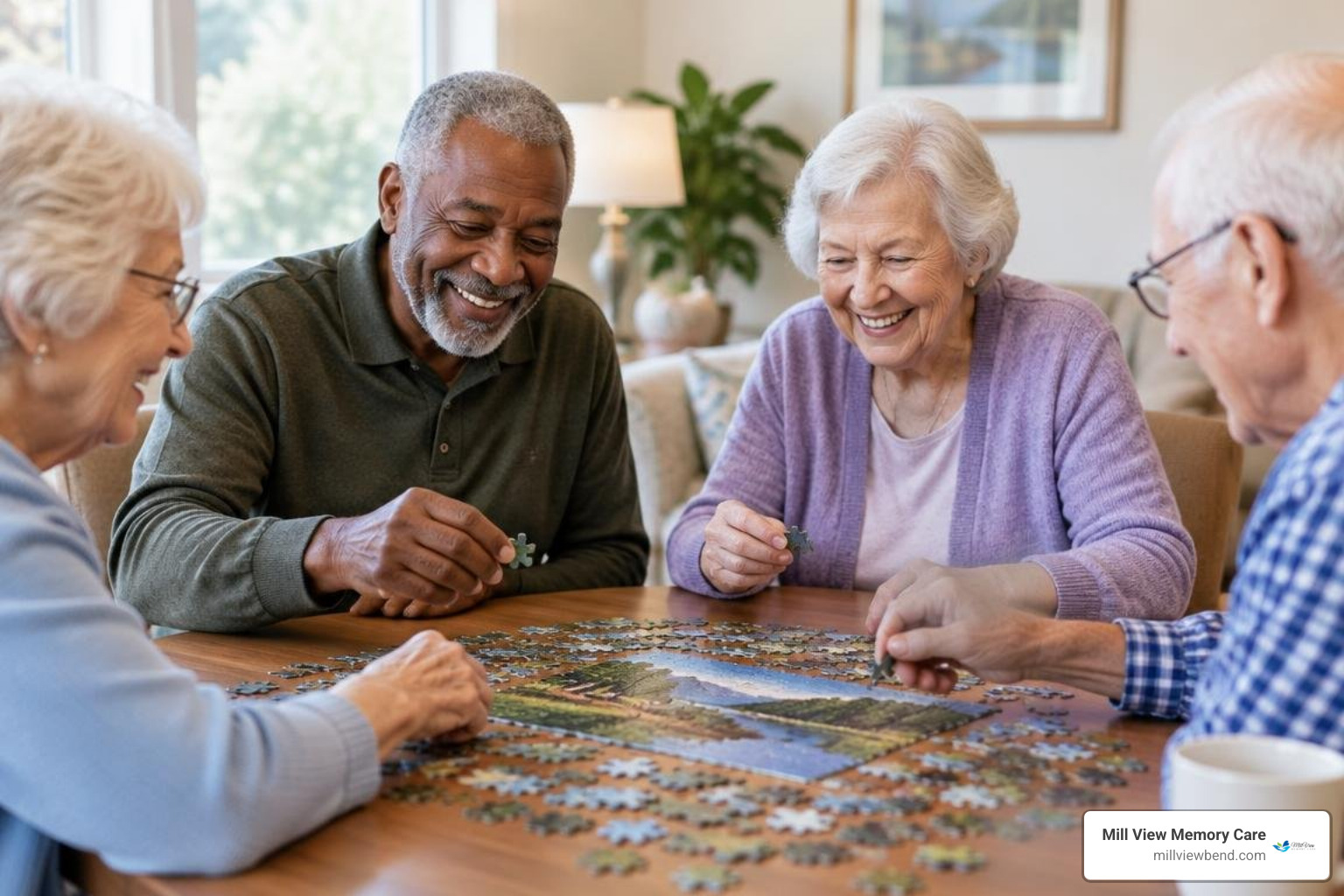
- Puzzles and Word Games: Crosswords, word searches, trivia quizzes, and Scrabble stimulate problem-solving skills and long-term vocabulary recall.
- Digital Apps and Tablets: Touchscreen tablets allow seniors to play adaptive memory games, explore digital jigsaw puzzles, or view high-resolution virtual art museum collections.
- Digital Reminiscence: Caregivers can create digital life-story scrapbooks on tablets, complete with archival photos, vintage news clips, and historical recordings.
- Virtual Connection: Simple video calls keep geographically distant family members in close contact, preserving essential emotional ties.
Creative Arts, Lifelong Learning, and Intergenerational Volunteering
Creative expression and community connection foster self-worth and purpose:
- Tactile Arts and Crafts: Watercolor painting, card making, floral arrangement, and scrapbooking provide sensory satisfaction and tangible accomplishments.
- Music and Singing: Group sing-alongs, choir participation, and listening to favorite songs activate deep emotional memories and lift daily spirits.
- Intergenerational Programs: Connecting older adults with local youth—such as reading to young students or learning basic tech skills from teenagers—bridges generational divides and creates joy for everyone involved.
- Purposeful Volunteering: Assisting with community service projects, such as assembling donation kits or knitting blankets, helps seniors stay active and civically engaged.
Adapting Activities Across Home, Community, and Residential Care Settings
Finding the right setting and tailoring activities to a person's current cognitive and physical capabilities ensures participation remains enjoyable rather than overwhelming.
Setting Focus Areas Recommended Activities Environment & Safety Considerations
Home Environment Daily routine integration, 1-to-1 bonding, familiar domestic tasks Folding laundry, watering potted plants, listening to classic radio shows, light baking, photo album sorting Clear walking paths of rugs and cords; perform standing tasks while seated to avoid fatigue.
Community Spaces Social connection, lifelong learning, peer support Memory cafés, public library lectures, walking clubs, community choir, intergenerational reading initiatives Choose venues with accessible entry ramps, quiet acoustic spaces, and clear restroom signage.
Residential Care Structured group sessions, multisensory therapy, 24/7 engagement Seated exercise classes, pet therapy, garden walks, themed cultural days, tactile sensory stations Ensure secure courtyard perimeters, predictable daily schedules, and supportive staff assistance.
National health recommendations, including evidence-based guidance on senior mental wellbeing, emphasize that people facing major life changes—such as partner bereavement, giving up driving, or dealing with chronic health changes—benefit significantly from structured community engagement. Exploring supportive living options can provide the structured environment seniors need to stay connected and safe.
Meaningful Daily Chores and 1-to-1 In-Room Engagement
For seniors who spend significant time in their rooms or experience limited mobility, simple domestic tasks and individualized sensory kits offer great purpose:
- Purposeful Daily Chores: Simple activities like folding warm towels, pairing socks, sorting clean cutlery (with sharp utensils removed), or rinsing produce in a basin allow seniors to contribute meaningfully to daily life.
- Themed In-Room Kits: Portable bins filled with textured fabrics, scented sachets, historical memorabilia, and conversation cards prompt engaging one-on-one visits.
- Passive Environmental Enrichment: Window bird feeders, indoor tabletop water fountains, and wall-mounted art keep isolated or bedbound seniors visually and auditorily engaged throughout the day.
Group Programs and Social Connections to Combat Isolation
Social isolation and loneliness take a measurable toll on emotional and physical health. Providing structured social outlets helps rebuild community ties:
- Community Dining and Socials: Shared meals and casual coffee hours encourage organic conversations and reduce social loneliness.
- Memory Cafés and Peer Groups: Welcoming, pressure-free gatherings allow seniors and caregivers to socialize with peers facing similar journeys.
- Community Celebrations: We host regular events that bring residents, families, and neighbors together for seasonal celebrations, live music, and themed socials.
- Respite Care Solutions: When family caregivers need time to rest or travel, short-term respite care provides older adults with temporary access to engaging group activities and attentive personal care.
Best Practices for Memory Care and Cognitive Decline
Caring for individuals with Alzheimer's disease or other forms of dementia requires an empathetic, person-centered approach. According to dementia-friendly activity guidelines and evidence-based Alzheimer's care strategies, the goal of any activity should always be the enjoyment of the process rather than flawless completion.
Adapting Elder Care Activities for Moderate to Advanced Dementia
As cognitive decline progresses, tasks should be simplified to preserve confidence:
- Break Tasks into Manageable Steps: Instead of asking someone to make a whole sandwich, invite them to spread butter on a slice of bread.
- Initiate the Activity Together: Seniors with executive function challenges may have the energy to participate but struggle to start. Handing them an item with a gentle invitation helps initiate the action.
- Rely on Procedural Memory: Long-term physical memories—such as strumming guitar chords, brushing a friendly pet, or rolling dough—remain intact long after short-term memory fades.
- Use Respectful Non-Verbal Communication: Keep body language open, maintain gentle eye contact, and use reassuring touch like holding hands to communicate warmth and respect. These therapeutic home activities for Alzheimer's offer safe, dignified ways to connect every day.
Sensory Stimulation and Behavioral Redirection Strategies
When verbal communication becomes difficult, sensory engagement offers a direct line to emotional comfort. As highlighted in sensory engagement protocols for advanced dementia, sensory cues often leave a lasting feeling of calm:
- Aromatherapy and Hand Massage: Applying lightly scented lavender or citrus lotion during a gentle hand massage helps soothe afternoon tension.
- Personalized Music Therapy: Curating playlists featuring songs from a senior's late teens and early twenties can quickly lift mood, spark memories, and reduce anxiety.
- Sensory Gardens and Outdoor Strolls: Feeling soft lamb's ear foliage, smelling blooming lavender, and listening to wind chimes provide gentle sensory stimulation without overwhelming the nervous system.
- Constructive Behavioral Redirection: If a senior shows signs of agitation, repetitive hand motions, or restless pacing, gently redirect the behavior into a soothing task—like offering a soft polishing cloth to wipe a table or providing a textured sensory blanket.
Frequently Asked Questions About Elder Care Activities
What are the best low-cost elder care activities to do at home?
Meaningful engagement does not require expensive equipment. Budget-friendly options include organizing old family photo albums, listening to classic radio broadcasts, playing simple card games like Go Fish or Uno, taking neighborhood walks, and doing light kitchen prep like snapping green beans. Public libraries also offer free audiobooks, large-print novels, and community educational lectures.
How can caregivers motivate a senior who resists participating in activities?
Avoid commanding language or arguing about memory lapses. Instead, use warm, gentle invitations like "Could you help me fold these towels?" or "Let's listen to this song together." Time activities to match the senior's peak energy hours, keep background noise low, and offer simple choices between two clear options rather than asking open-ended questions.
How do structured activities help manage dementia symptoms like wandering or agitation?
Restlessness and wandering often stem from boredom, unmet sensory needs, or anxiety. Structured activities provide a constructive focus, replacing aimless pacing with purposeful movement. Predictable daily routines, soothing music, and sensory hand massages help regulate mood and reduce late-afternoon agitation.
Conclusion
Meaningful elder care activities sustain physical health, maintain cognitive vitality, and provide genuine joy. By tailoring past hobbies, breaking down tasks, and prioritizing sensory connections, family members and professional caregivers can create enriching daily routines that honor each individual's dignity.
At Mill View Memory Care, our boutique, family-owned community in Bend, Oregon delivers 24/7 person-centered care with private and shared apartments, restaurant-style dining, pet therapy, and advanced safety features. If you are exploring comprehensive support for your loved one, learn how our dedicated memory care community provides purposeful, compassionate living every single day.
Ready to speak with someone?
Our team will be happy to help you explore whether Mill View is the right fit for your family.