
Simple Daily Routines to Stop Elderly Loved Ones from Sitting All Day
November 13, 2026 · By Mill View Memory Care
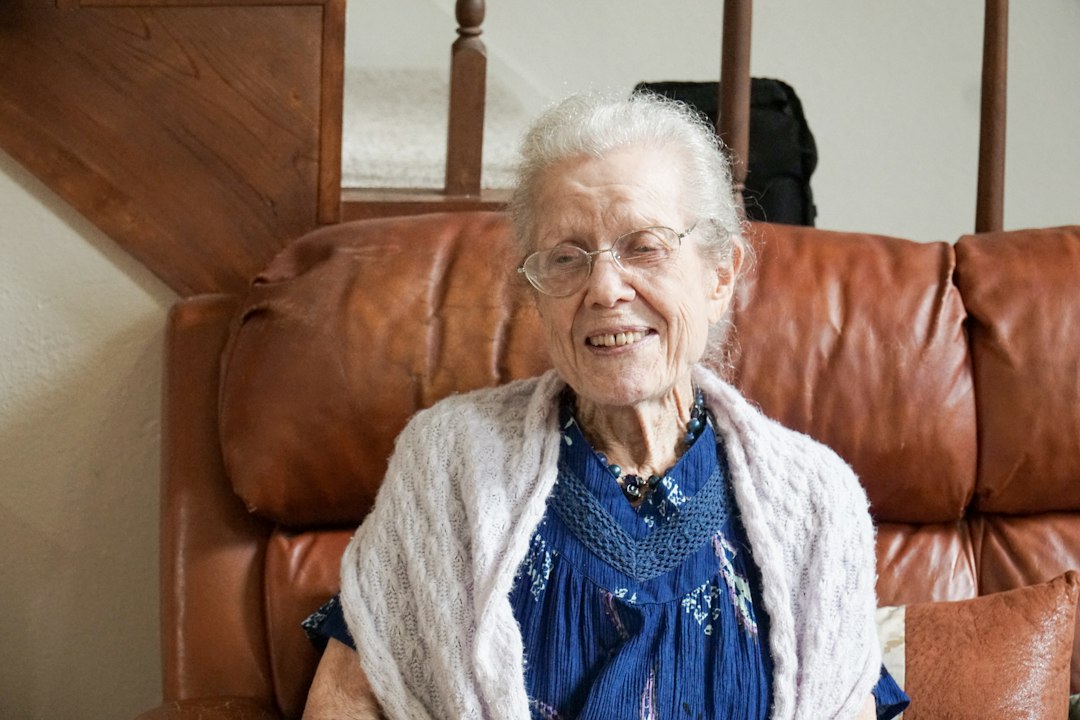
Simple Ways to Break Up Sitting Throughout the Day
If you notice elderly people sitting all day, start small: invite your loved one to change position or move every 30 to 60 minutes. A short walk to the kitchen, a little time watering plants, or gentle seated movements can fit into routines they already know. Keep paths clear, offer support when standing, and let pain or fatigue guide the pace.
For someone with dementia, a familiar activity may feel more welcome than an exercise plan. The goal is not to stop resting. It is to make safe movement a regular part of the day.
Understanding the Risks of Elderly Sitting All Day
It is completely natural to want our aging parents and grandparents to relax. After decades of hard work, a cozy armchair feels well-earned. However, when resting turns into staying parked in a recliner for hours on end, quiet health risks begin to build up. Researchers often refer to the systemic breakdown caused by chronic inactivity as "sitting disease."
Older adults represent one of the most sedentary age groups, spending 65% to 80% of their waking hours—nearly 10 hours every day—sitting or lying down (Palmer et al., 2019). When muscles stay inactive, our metabolic engine idles. Blood pools in the lower extremities, enzyme production that breaks down blood fats plummets, and insulin sensitivity drops. According to Mayo Clinic research on prolonged sitting risks, sitting for more than eight hours a day with no physical activity carries a risk of dying similar to the risks posed by obesity and smoking.
The cardiovascular toll is especially steep. An NIH study on sedentary behavior in older adults demonstrated that prolonged sedentary time significantly elevates the risk of heart disease and stroke. Crucially, that study highlighted that uninterrupted sitting sessions carry a 52% higher risk of cardiovascular disease compared to sitting time that is regularly broken up with short movement breaks.
Factor Continuous, Uninterrupted Sitting Regularly Broken-Up Sitting
Cardiovascular Risk Up to 52% higher risk of heart disease and stroke Significantly lower strain on vascular system
Blood Sugar Regulation Acute insulin resistance and blood glucose spikes Better glucose clearance through muscle contractions
Blood Pressure Higher resting systolic pressure Measurable reductions in systolic blood pressure
Mobility & Fall Risk Accelerated joint stiffness and leg muscle atrophy Preserved leg power, balance, and transfer safety
The Physiology of Sitting Disease and Physical Decline
Prolonged sedentariness sets off a physical chain reaction. When someone remains seated for hours, their hip flexors shorten and tighten, pulling on the pelvis and placing strain on the lower back. Meanwhile, gluteal and quadricep muscles begin to atrophy from lack of use. This muscle loss directly contributes to functional disability; sitting for several hours a day is linked to a 50% greater chance of becoming disabled over time.
Bone health also suffers. Without the gentle, weight-bearing stress of standing and walking, bone mineral density declines, raising the risk of severe fractures during a fall. Poor lower-body circulation can lead to chronic edema, painful varicose veins, and life-threatening deep vein thrombosis (DVT).
Fortunately, breaking up long seated periods provides immediate cardiovascular relief. A JAMA trial on sitting reduction and blood pressure showed that reducing sitting time by just around 30 minutes a day resulted in a clinically meaningful drop in systolic blood pressure among older adults.
Cognitive Decline and Why Elderly Sitting All Day Affects Brain Health
The hazards of excessive sitting extend well beyond physical muscles—they reach deep into brain structure and memory. Physical movement acts as a natural pump that delivers oxygenated blood and essential growth factors to the brain. When an older adult sits motionless, cerebral blood flow drops, slowing down neurogenesis (the creation of new brain cells).
A comprehensive systematic review on sedentary behavior and brain health revealed that sitting for 12 hours or more per day is associated with a 63% increased risk of all-cause dementia. High sedentary time correlates with reduced white matter integrity, lower functional connectivity in cognitive networks, and accelerated thinning in brain regions vital for memory.
When observing behavioral changes in an aging family member, it is helpful to understand the early warning signs of Alzheimer's in seniors, as apathy, social withdrawal, and physical inactivity often develop hand-in-hand with cognitive changes.
Warning Signs That a Senior Is Moving Too Little
Sedentary decline often happens quietly. Family members might visit on weekends and assume their loved one is "just slowing down with age." Recognizing the subtle indicators of excessive sitting allows us to step in before a preventable fall occurs.
Common warning signs of chronic inactivity include:
- Difficulty with Sit-to-Stand Transitions: Needing multiple rocking attempts, heavy armrest pushing, or verbal groaning to rise from a standard chair.
- Postural Slumping: A rounded upper back, forward head tilt, or leaning heavily to one side while seated.
- Persistent Daytime Fatigue: Feeling constantly drained despite sleeping normal hours, caused by sluggish circulation and deconditioning.
- Shuffling Gait and Stiff Joints: Taking short, hesitant steps or shuffling feet along the floor instead of lifting the knees.
- Loss of Balance: Unsteadiness when first standing up, reaching for walls or furniture for support.
- Unexplained Swelling or Weight Changes: Fluid accumulation around the ankles or gradual gains in abdominal waist fat.
Step-by-Step Daily Routines to Reduce Prolonged Sitting
Overhauling a loved one’s lifestyle with an intense workout regimen rarely works and often leads to resistance. The most effective approach is habit stacking—anchoring small, gentle movements onto habits that already exist in their daily schedule.
A detailed mixed-method review on reducing sedentary behaviour found that lifestyle interventions are most successful when they combine self-monitoring, environmental cues, and realistic goal setting rather than demanding high-intensity workouts. Simple environmental tweaks, like placing frequently used items at standing height or keeping walking paths clear, provide natural prompts to get up.
When designing safer living spaces, learning how memory care communities keep seniors safe offers great inspiration for setting up wide walkways, stable resting spots, and supportive handholds that encourage safe indoor exploration.
Morning and Afternoon Micro-Movement Habits
Micro-movements are short, 1-to-3-minute bursts of activity that break up sedentary hours without causing exhaustion:
- The TV Commercial Walk: Use television breaks as an automatic trigger. When an advertisement plays, encourage your loved one to stand up, stretch their arms overhead, or take a lap around the sofa.
- Phone Call Pacing: Make it a rule to stand up or gently pace while speaking on the telephone with family members.
- Purposeful Household "Pottering": Involve seniors in light, low-effort household tasks. Wiping down the kitchen counter, folding small hand towels, or inspecting indoor house plants keeps the body upright and active.
- Hydration and Posture Resets: Place water glasses in the kitchen rather than right next to the chair, creating a natural reason to walk across the room every hour.
Safe Low-Impact Exercises for Elderly People Sitting All Day
For seniors who experience joint pain or balance insecurity, movement can start directly from a sturdy chair.
Aligning with evidence-based physical activity guidelines for older adults, here are simple, safe movements to weave into the day:
- Seated Sit-to-Stand Practice: Sit tall in a firm armchair, plant feet flat on the floor shoulder-width apart, lean slightly forward, and press through the heels to stand. Pause for two seconds, then slowly lower back down. Aim for 5 to 10 repetitions.
- Ankle Pumps and Heel Raises: While seated, lift the toes while keeping heels planted, then switch to lifting the heels while keeping toes planted. This simple action flexes the calf muscles, pumping pooled blood back toward the heart.
- Seated Torso Twists and Arm Reaches: Gently rotate the upper body from side to side, followed by slow, alternating overhead arm reaches to open up the chest and spine.
- Supported Single-Leg Stance: While holding firmly onto a sturdy kitchen counter, practice lifting one foot an inch off the floor for 5 to 10 seconds to rebuild balance confidence.
Overcoming Resistance Without Causing Frustration
When an older adult insists, "I just want to sit here," direct arguments often backfire. Resistance frequently stems from unexpressed fears—such as a fear of falling, hidden arthritic pain, or sheer fatigue.
To encourage movement with warmth and dignity:
- Reframe the Activity: Avoid using the word "exercise." Invite them to "come help me pick out a sweater," "walk over to check the mail," or "look at the birds in the garden."
- Use the Magic of Music: Put on beloved tunes from their youth—whether big band swing or classic country. Music naturally inspires toe-tapping, seated swaying, and spontaneous dancing in the living room.
- Acknowledge Discomfort First: Validate their feelings before moving. Saying, "I know your knees feel stiff after lunch; let's do three gentle stretches to loosen them up so you feel more comfortable," shows empathy and care.
The Power of Social Engagement and Purposeful Daily Activities
Sedentary habits often develop because an older adult feels they have nowhere meaningful to go. Sitting alone in front of a television can become a default coping mechanism for loneliness.
Reconnecting seniors with social outlets creates an effortless motivation to move. Preparing for an outing—showering, picking out clothes, walking out to the car, and sharing a table with peers—naturally adds thousands of active steps to their day (Palmer et al., 2019). Light gardening, pet therapy, and group dining turn physical movement into an enjoyable byproduct of connection.
When home caregivers need extra support or a well-deserved break, exploring short-term respite care programs provides older adults with a lively, structured environment full of enriching daily activities. Accessing comprehensive senior care services ensures that physical, social, and emotional needs are addressed together.
Frequently Asked Questions About Sedentary Seniors
Can occasional exercise cancel out the effects of sitting all day?
No. While a structured 30-minute walk is wonderful, it cannot completely undo the metabolic and cardiovascular damage of sitting for the remaining nine or ten hours of the day. Research indicates that frequent, low-intensity micro-movements spread across the day are just as essential for cardiovascular and metabolic health as dedicated exercise sessions.
How many hours of sitting per day is considered dangerous for older adults?
Sitting for more than eight hours a day without movement is clinically linked to significantly higher mortality and chronic disease risks. However, the way those hours are accumulated matters just as much: sitting for two hours straight without standing up is far more harmful than accumulating the same total time broken up by short standing breaks every 30 to 45 minutes.
When should families consider professional care for an inactive senior?
When mobility has declined to the point where family members can no longer safely assist with standing or walking, or when severe apathy and memory loss keep a senior isolated in bed or a chair, professional assistance is worth considering. Reviewing what services memory care offers helps families understand how dedicated care teams manage daily movement and safety. You can also explore personalized living options for seniors to find the right balance of support and independence.
Conclusion
Breaking the cycle of sitting all day does not require grueling physical workouts. By focusing on gentle micro-movements, safe sit-to-stand transitions, and engaging daily habits, we can help our aging loved ones protect their heart health, sharpen their memory, and maintain their cherished independence.
If your family is navigating the challenges of memory loss and physical decline, we are here to walk alongside you. At Mill View Memory Care, our boutique, family-owned specialized memory care community in Bend, Oregon provides 24/7 person-centered support. With private and shared apartments, restaurant-style dining, pet therapy, and purposeful daily activities, we create a warm, vibrant environment where seniors stay safely engaged, active, and fulfilled. Reach out to our compassionate care team today to learn how we can support your family's journey.
References
Palmer VJ, Gray CM, Fitzsimons CF, Mutrie N, Wyke S, Deary IJ, Der G, Chastin SFM, Skelton DA, Seniors USP Team. "What Do Older People Do When Sitting and Why? Implications for Decreasing Sedentary Behavior.." The Gerontologist, 2019. PMCID PMC6630262.
Ready to speak with someone?
Our team will be happy to help you explore whether Mill View is the right fit for your family.