Discover the Most Popular Different Dining Styles for Every Appetite
November 11, 2026 · By Mill View Memory Care
Different Dining Styles at a Glance
Different dining styles range from quick-service meals ordered at a counter to casual table service and fine dining with several courses. Family-style meals bring shared dishes to the table, while buffets let guests serve themselves. Food trucks, pop-ups, and delivery-only kitchens offer other ways to enjoy a meal.
The best fit depends on what matters most: speed, price, atmosphere, or time together. In senior living, dining can also shape daily comfort, choice, and social connection.
Understanding the Spectrum of Different Dining Styles
The modern hospitality landscape is vast and constantly evolving. As U.S. restaurant and foodservice sales reach an estimated $1.55 trillion in 2026, diners enjoy more culinary choices than ever before. Choosing where or how to eat usually comes down to balancing four elements: time, budget, atmosphere, and service style.
Every dining category sets clear expectations for guests. Fast-food spots focus on speed, while formal dining rooms prioritize multi-course meals and dedicated service. Understanding these distinctions helps food lovers find the right experience and guides hospitality providers in creating warm, welcoming spaces.
Dining Category Average Speed Price Range Atmosphere & Decor Service & Labor Model
Quick Service (QSR) 3–8 minutes $ (Inexpensive) Functional, high turnover, branded Counter ordering, self-bussing, low FOH labor
Fast Casual 8–15 minutes $$ (Moderate) Modern, trendy, curated lighting Counter ordering with food runners or kiosk delivery
Casual Dining 45–60 minutes $$–$$$ (Moderate to High) Relaxed, full seating, themed Full table service, dedicated waitstaff, bartenders
Fine Dining 90–180 minutes $$$$ (Upscale/Luxury) Elegant, quiet, immersive Specialized captains, sommeliers, multi-step service
Quick Service (QSR) and Fast Casual Formats
Quick-service restaurants (QSRs), commonly known as fast food, represent a massive segment of modern dining, with projected 2026 revenues reaching $423.7 billion. These establishments focus on high volume, standardized recipes, and maximum efficiency. Customers order at a walk-up counter, drive-thru window, or self-ordering digital kiosk. The staff prepares meals rapidly using streamlined assembly stations, and guests bus their own tables or take meals on the go.
Bridging the gap between traditional fast food and sit-down eateries are fast casual concepts. Fast casual venues elevate convenience by offering fresh, customizable, build-your-own bowls, artisan salads, and higher-grade proteins without requiring full table waitstaff. Guests order at a central counter or kiosk, but they enjoy upscale interior design, real tableware, and open preparation kitchens that emphasize culinary freshness. To explore the historical development of these categories, you can review standard types of restaurants across the global market.
Casual Dining and Contemporary Casual Concepts
Casual dining restaurants hold over 30% of the U.S. foodservice market share. These full-service restaurants (FSRs) offer comfortable seating, printed menus, and dedicated servers who manage the entire meal. Casual dining appeals to families, colleagues, and social groups looking for approachable comfort food, lively music, and full-service bar programs in an unhurried setting.
Contemporary casual dining has emerged as a favorite among younger demographics who value farm-to-table sourcing, dietary accommodations (such as dedicated gluten-free and plant-based selections), and creative plating. These spaces often feature modern industrial architecture, open kitchens, and relaxed service, delivering culinary artistry without the formality of fine dining.
Fine Dining vs. Casual: Balancing Different Dining Styles
Fine dining represents the pinnacle of formal culinary hospitality. While casual dining focuses on comfort and speed, fine dining is an immersive experience where the meal itself is the main event. Fine dining establishments often feature multi-course tasting menus, prix fixe progressions, and curated wine pairings guided by trained sommeliers.
In fine dining, service rituals elevate the guest experience. Servers replace cutlery between courses, pour water before glasses empty, and perform table crumbing to clear loose breadcrumbs from linens. Many establishments maintain refined dress codes and hushed, intimate acoustics, turning dinner into a memorable sensory journey.
Traditional Food and Beverage Service Methods
The way food travels from the kitchen to your table defines a restaurant's operational rhythm and guest interaction.
Standard service methods range from casual family-style platters to synchronized banquet courses, each governed by professional dining room service standards that balance efficiency, hospitality, and food safety.
American Plate and English Family Service
American plate service is the most widely adopted full-service model in North America. In this system, kitchen staff portion, arrange, and garnish each individual dish before servers carry the finished plates directly to guests. This approach ensures consistent portion sizes, tight quality control, and faster table turns.
English service, commonly called family-style dining, brings large, shared platters and bowls to the center of the table. Diners pass dishes around and serve themselves. This format fosters warm conversation and a relaxed atmosphere, though it requires ample table space and mindful temperature management for warm foods.
French Gueridon and Russian Silver Service
For exceptional dining drama, classic European service traditions stand out. French Gueridon service features partial preparation, carving, or flambéing on a rolling cart beside the guest's table, as seen with dishes like crêpes Suzette or carved chateaubriand. This interactive method requires skilled front-of-house staff, wide aisles, and strict safety precautions.
Russian service (often adapted as classic Silver service) involves kitchen staff artfully arranging food on heavy silver platters. The server presents the platter to the seated guest's left side and skillfully transfers portions onto individual plates using a serving fork and spoon. These formal traditions showcase hospitality showmanship, as detailed in comprehensive guides on hospitality service classifications.
Self-Service, Buffets, and Cafeteria Lines
Self-service formats allow diners to curate their own plates and control their meal pace. Buffets display hot and cold dishes along extended steam tables and chilled bays, allowing guests to serve themselves from diverse selections.
Cafeterias guide guests along a linear tray track, where servers dish out pre-portioned hot entrees, side dishes, and desserts. In all self-service setups, operators maintain strict food safety standards, including protective sneeze guards, calibrated heating wells above 135°F, chilled displays below 41°F, and frequent utensil rotations.
Emerging, Mobile, and Interactive Dining Formats
Dining continues to evolve beyond traditional brick-and-mortar storefronts, driven by digital technology, changing lifestyles, and culinary experimentation.
Pop-Ups, Food Trucks, and Ghost Kitchens
Mobile and flexible formats allow talented chefs to bring creative concepts to market quickly:
- Food Trucks: Operating as fully self-contained mobile kitchens, food trucks generate roughly $2.8 billion in U.S. revenue, averaging $346,000 annually per truck while bringing specialized street foods directly to festivals, office parks, and neighborhood events.
- Pop-Up Restaurants: Temporary dining experiences hosted in rented venues, open fields, or existing restaurants during off-hours, pop-ups allow chefs to test seasonal menus or build brand excitement before signing permanent leases.
- Ghost Kitchens: With the global cloud kitchen market projected to reach $88.7 billion in 2026, ghost kitchens operate strictly as commercial production hubs for delivery apps, fulfilling digital orders without maintaining a public dining room.
Interactive and Cultural Expressions of Different Dining Styles
Many global dining traditions turn mealtime into an engaging, multi-sensory performance. Japanese teppanyaki grills feature chefs preparing proteins and vegetables directly in front of seated guests on large iron griddles. Chinese hot pot and Korean barbecue invite diners to cook raw meats, fresh vegetables, and dumplings in simmering broths or tabletop grills right at their seats.
In Japanese gastronomy, dining styles vary from casual, tapas-like izakaya pubs serving yakitori skewers to chef-curated omakase counters where sushi masters prepare each bite in real time. For formal celebrations, kaiseki dining presents an intricate multi-course meal rooted in seasonality and traditional aesthetics, as highlighted in historical overviews of Japanese culinary traditions.
Dining Models in Specialized and Residential Environments
Mealtime plays a vital social, psychological, and physical role in residential healthcare and senior living settings. Dining rooms are not just places to eat; they are welcoming community hubs where residents connect, celebrate traditions, and maintain personal routines.
The Role of Restaurant-Style Dining in Senior Living
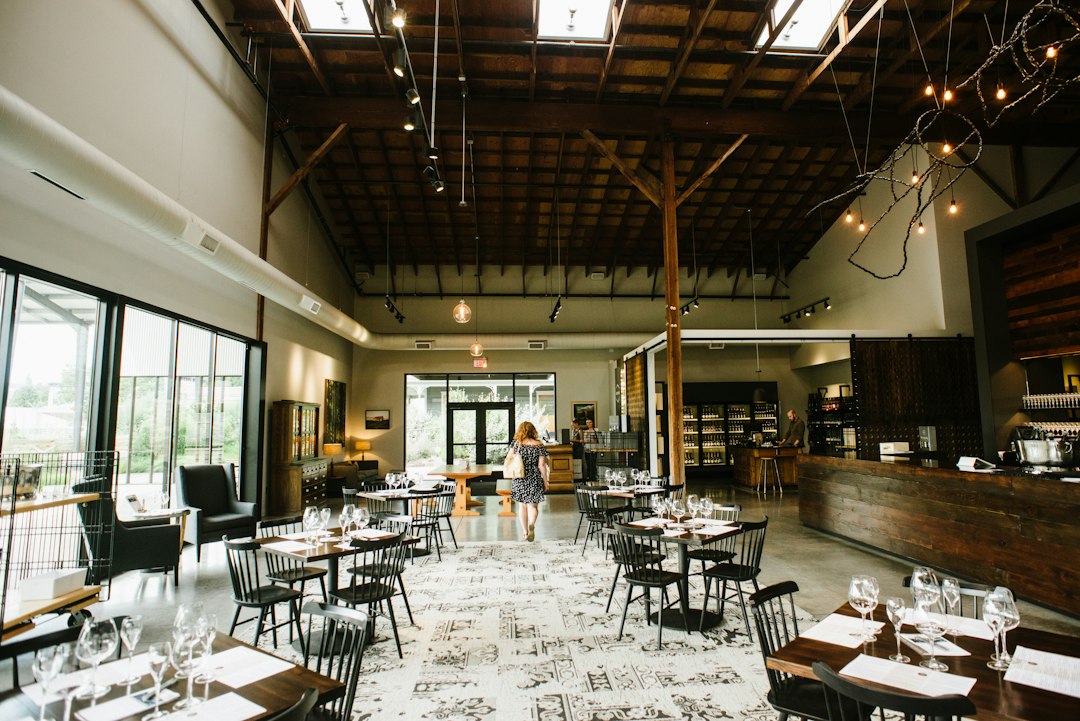
At Mill View Memory Care, we believe thoughtful dining supports dignity, daily comfort, and wellness. Moving away from institutional tray lines, restaurant-style dining invites seniors to sit with friends in a bright, inviting room, review seasonal menus, and enjoy fresh dishes prepared by skilled culinary staff.
Offering choices at each meal honors personal autonomy and encourages healthy nutrition. Across our supportive living options, we pair attentive table service with balanced, flavorful recipes tailored to individual preferences. Our dedicated staff provides comprehensive care services, ensuring that every meal is an enjoyable, relaxing, and nourishing experience.
Adapting Service for Memory Support and Respite Care
Dining spaces for seniors with Alzheimer's and other forms of dementia require thoughtful environmental design:
- Sensory Cues and Visual Menus: The comforting aroma of baking bread or visual meal plates can spark appetite and help make choosing a meal straightforward and engaging.
- Calm Dining Atmospheres: Soft background music, gentle lighting, and uncluttered table settings reduce sensory overstimulation, helping residents focus comfortably on their meals.
- Adaptive Dinnerware: High-contrast plates and discreet adaptive utensils make self-feeding easier, supporting confidence and independence.
- Hydration and Snacking Stations: Accessible juice, fruit-infused water, and nutrient-dense finger foods encourage healthy daily hydration and steady calorie intake.
These person-centered dining practices are woven into everyday life in our boutique, family-owned community, and they extend seamlessly to families utilizing our short-term respite care program in Bend, Oregon.
Frequently Asked Questions About Dining Styles
What are the main differences between full-service and quick-service dining?
The primary differences center on ordering methods, staffing levels, meal pacing, and dining atmosphere. In a quick-service restaurant (QSR), guests order and pay at a walk-up counter or digital kiosk before receiving their food, bus their own tables, and stay for an average of 15 to 30 minutes.
In a full-service restaurant (FSR), a dedicated server greets seated guests, takes orders from a printed menu, coordinates meal courses, delivers food to the table, and manages payment at the end of an unhurried, hour-long dining experience.
Which dining style offers the highest profit margins for operators?
Profitability depends heavily on labor efficiency, overhead costs, and menu design. Ghost kitchens and food trucks often enjoy healthier net margins because they minimize front-of-house staffing and square footage expenses.
Across all categories, specialty beverage programs—including artisan coffees, mocktails, and cocktails—generate substantial profit margins, with specialty coffees and teas often marked up by as much as 80%.
How do family-style and buffet dining compare in terms of guest experience?
While both formats involve sharing food, their dining mechanics differ significantly:
Family-style meals keep guests seated together, passing shared serving bowls and platters around the table to build connection. Buffets require guests to walk up to self-service stations, allowing everyone to select their preferred portions and dishes independently.
Conclusion
From fast-casual lunch spots to multi-course tasting dinners and engaging cultural meals, exploring different dining styles helps you pick the right setting for any gathering. Every format brings its own rhythm, atmosphere, and charm.
In specialized care settings, dining holds an even deeper purpose. Thoughtful service, sensory-friendly design, and nutritious, familiar meals bring comfort and joy to daily life. At Mill View Memory Care, our boutique, family-owned community provides compassionate, 24/7 care in Bend, Oregon. We blend warm hospitality with person-centered dining, pet therapy, and engaging activities to help every resident feel right at home.
To learn more about our welcoming community and approach to care, explore our person-centered memory care community today.
Ready to speak with someone?
Our team will be happy to help you explore whether Mill View is the right fit for your family.